 お問い合わせ
 アクセス
アクセス 検索
検索 Language


- YNU
- News and Information
- YNU Students Participate in Well Digging Volunteer Project in Earthquake Affected Suzu City
YNU Students Participate in Well Digging Volunteer Project in Earthquake Affected Suzu City
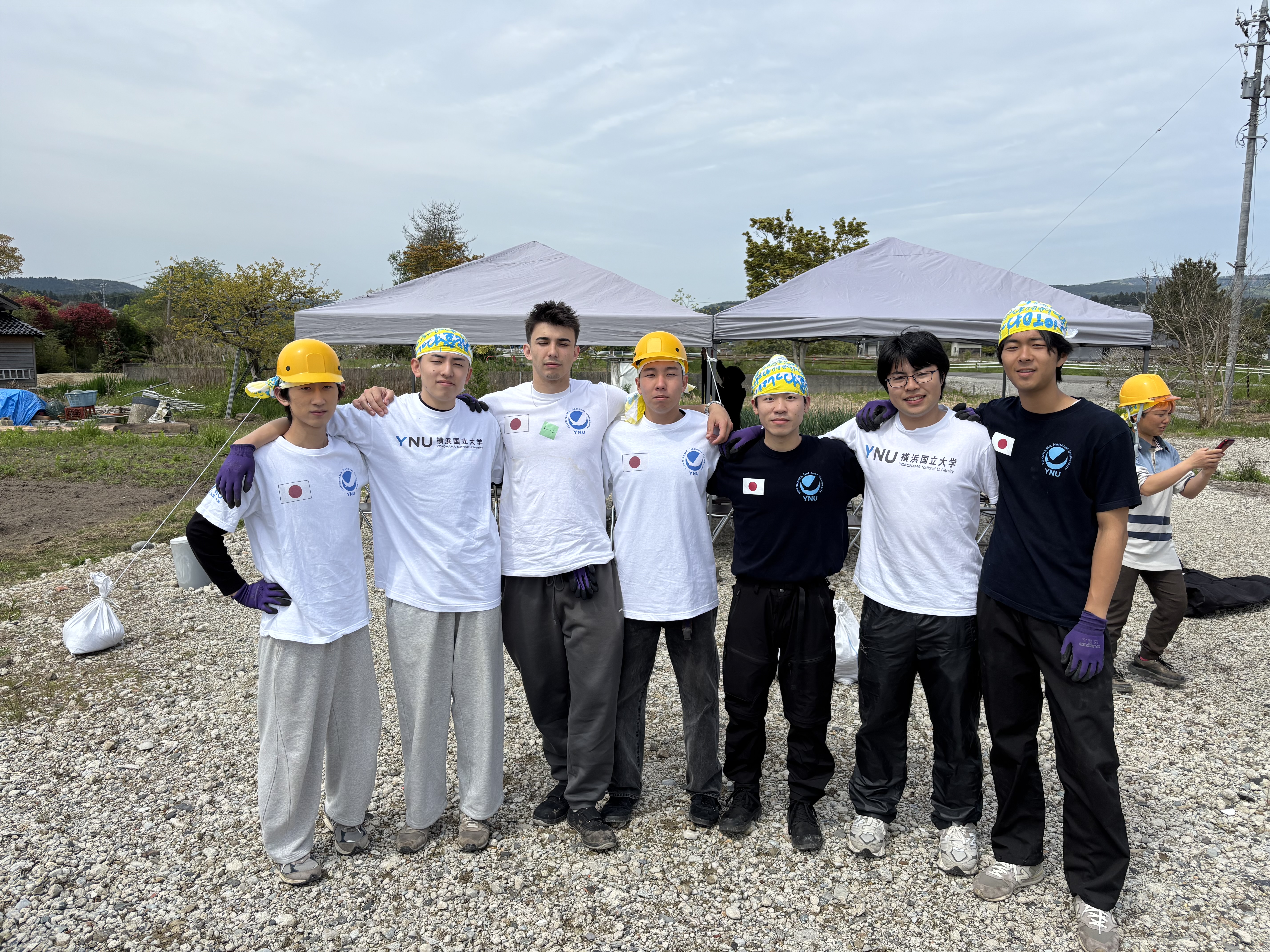
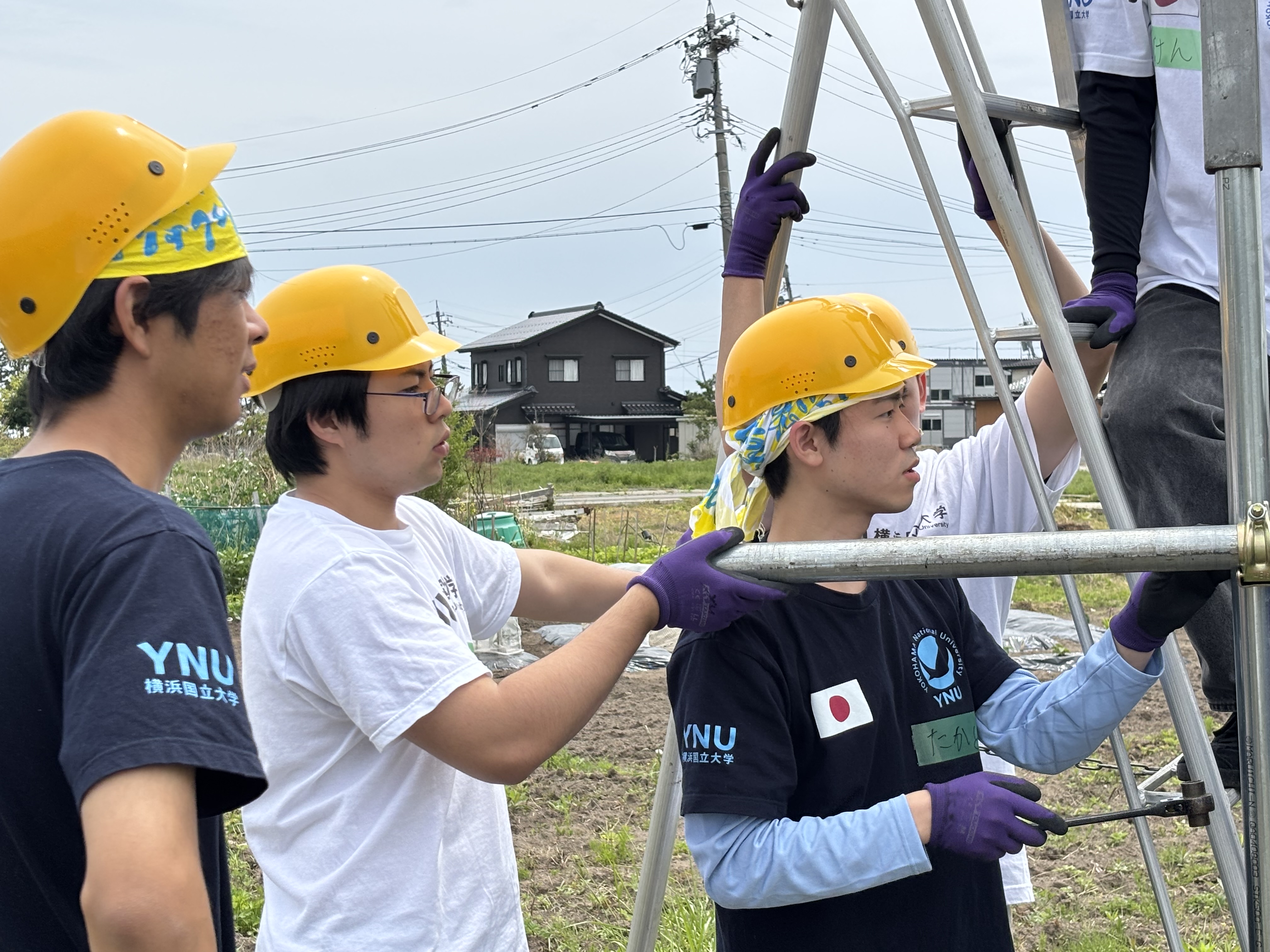
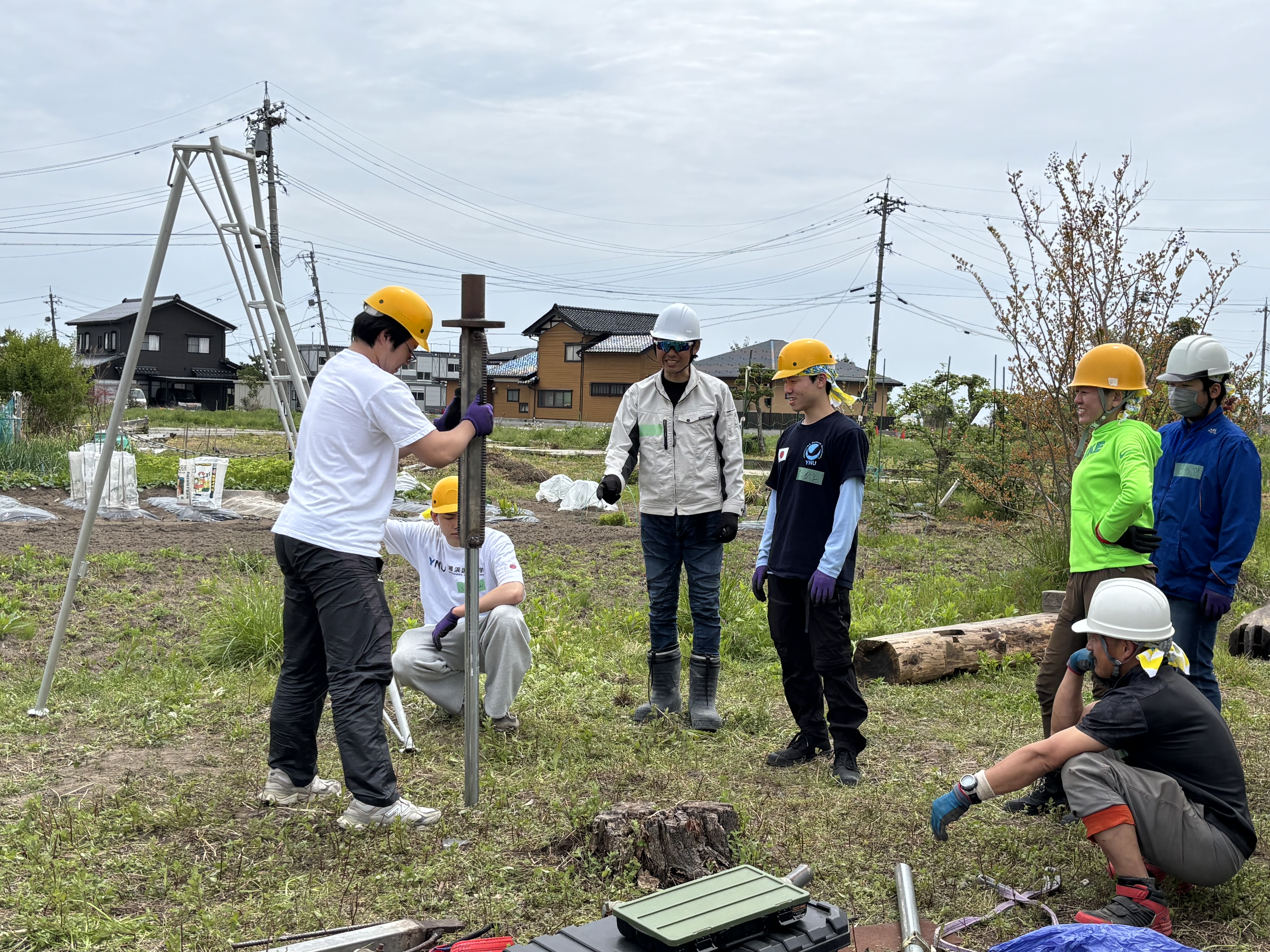
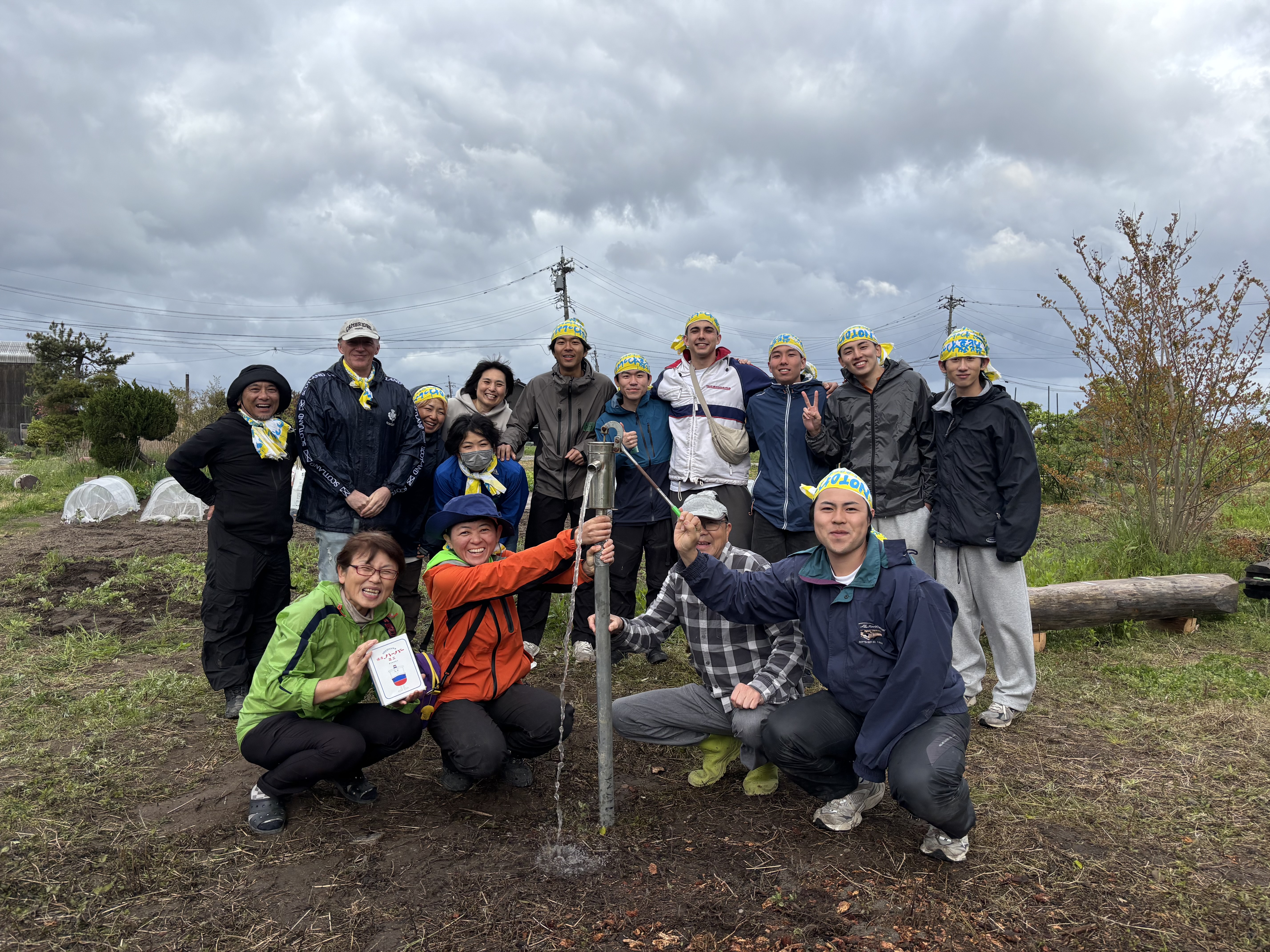
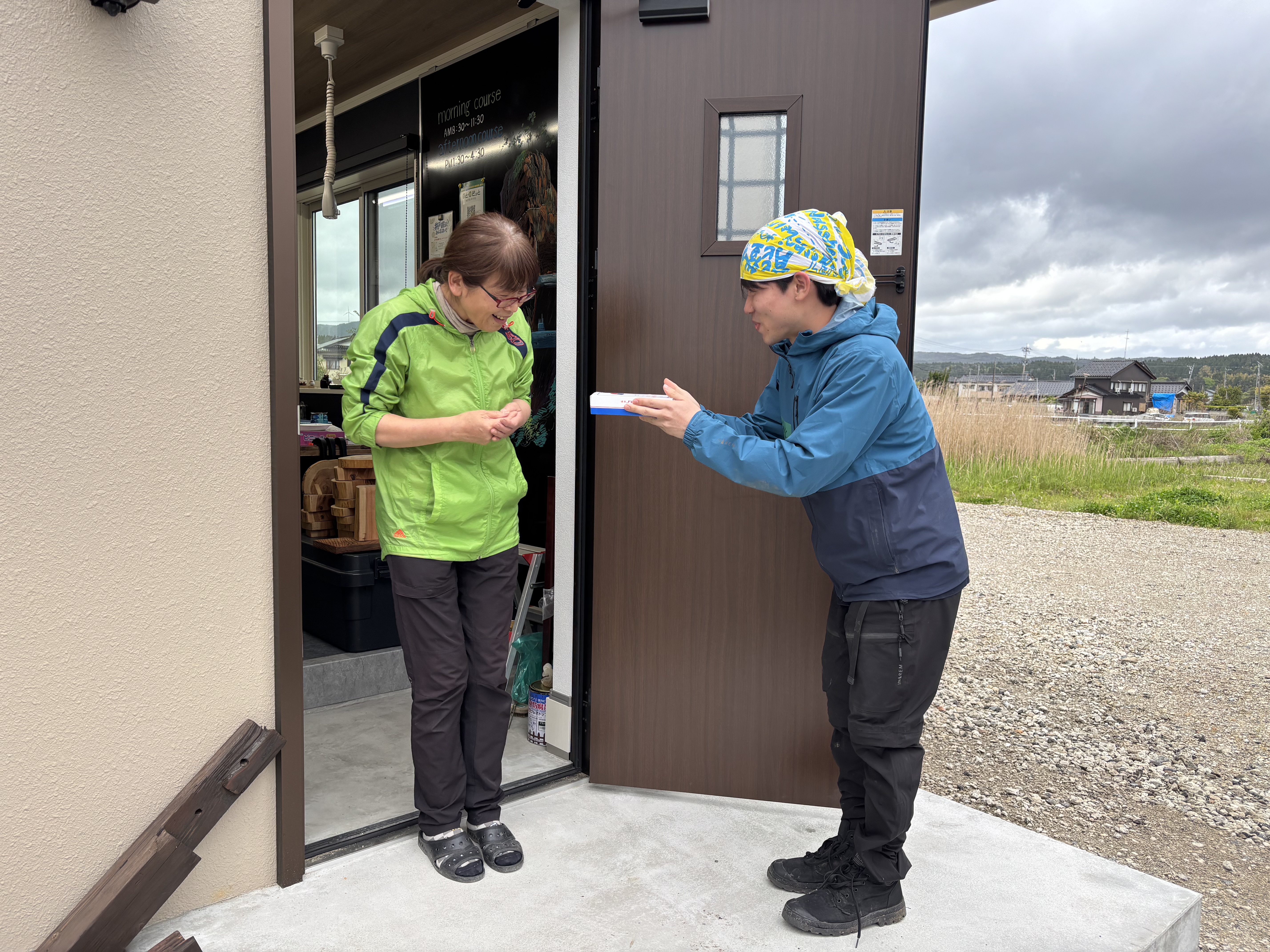
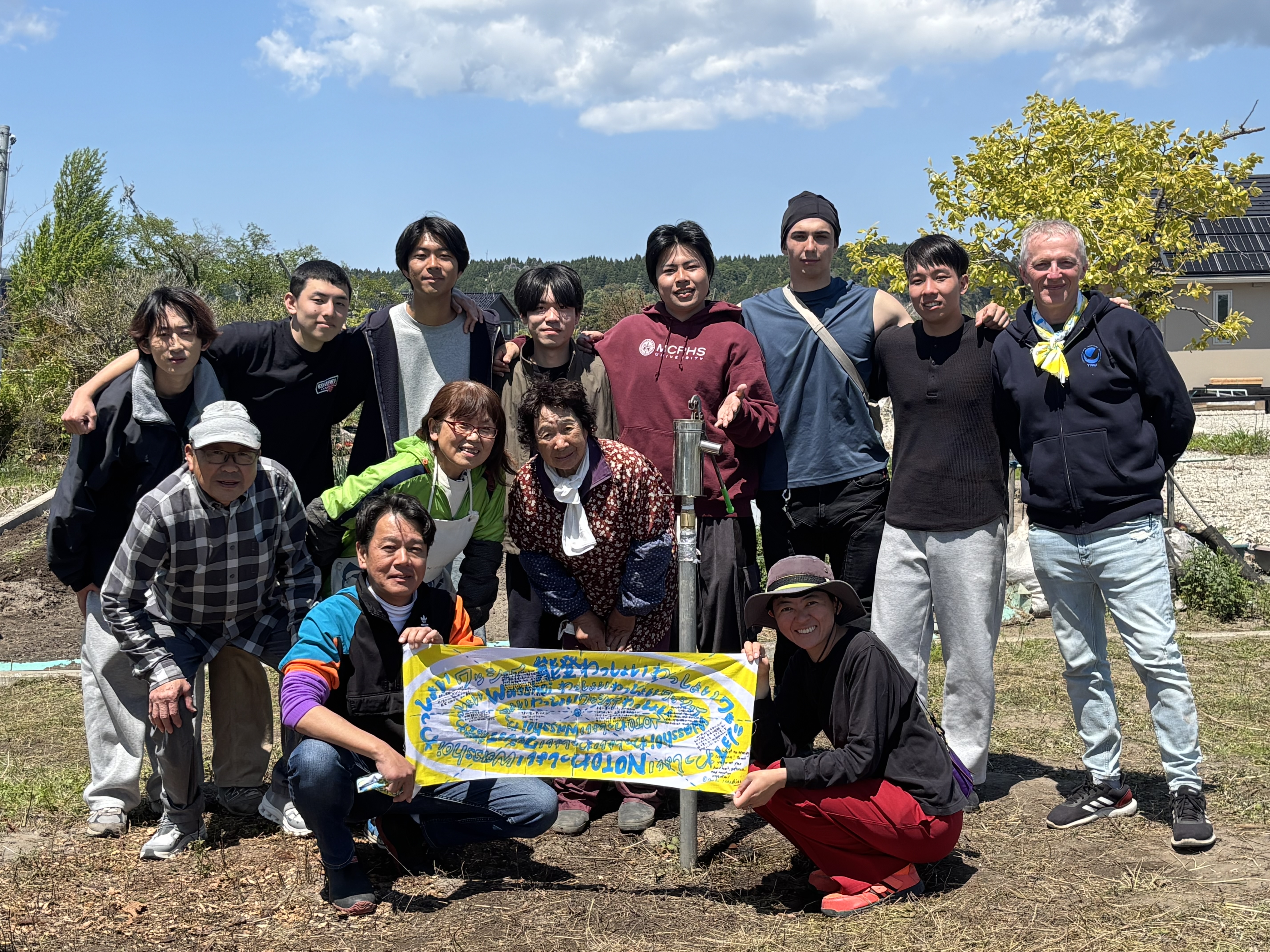
During Golden Week in 2026, seven students from Yokohama National University participated in a four day volunteer project in Suzu City on the Noto Peninsula, an area severely affected by the January 2024 earthquake. Accompanied by Professor Alexander McAulay, the students worked alongside artist Atsuko Nakamura and her team of architects to help dig a community well, contributing to the region’s ongoing recovery efforts.
This activity was conducted as part of Noto Wasshoi, a reconstruction project led by Ms. Nakamura. The project is carried out under tsu.ku_l (つくる), an initiative founded by Ms. Nakamura and architects Ryu Kumagai and Yutaka Nakamura. Using art and architecture as its foundation, tsu.ku_l promotes creative and community-centered recovery efforts throughout Noto. The well-digging volunteer project came about through discussions between Professor McAulay and Ms. Nakamura. As Ms. Nakamura's team had already been engaged in well-digging activities within the region, the initiative aligned closely with YNU's commitment to community and social engagement, providing students with a valuable opportunity to participate directly in local support efforts.
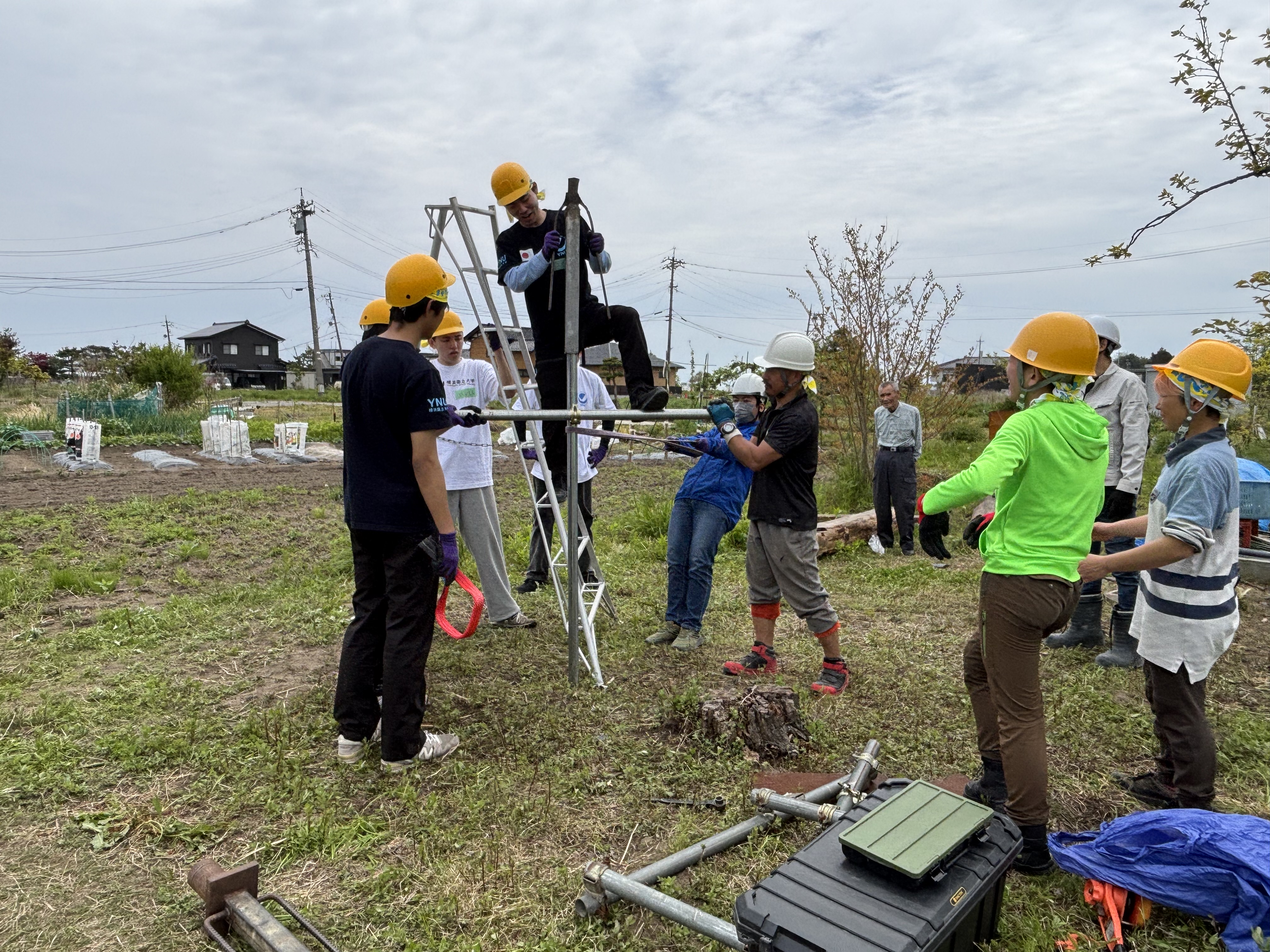
Work on site unfolded over four intensive days. The first day was dedicated to clearing the ground, removing weeds and preparing the land so that well pipes could be installed. The second day involved the most physically demanding task: driving the pipes into the earth to a depth of approximately six meters. On the third day, the team attempted to draw water—a tense moment, as unsuccessful wells sometimes require the entire process to begin again. This time, however, water was successfully drawn, making the project a complete success. On the final day, prayers were offered in remembrance of deceased family members of the landowners, whose homes had been swept away by the tsunami.
Throughout the week, students interacted closely with local residents and community leaders. Local people were invited to observe the well digging process, and on the third evening the YNU group was shown yobare (呼ばれ), a traditional form of hospitality. They were treated to a meal made from local ingredients and served on the region’s distinctive lacquerware, deepening their connection with the community.
Students described the experience as both challenging and deeply rewarding. One student commented: "The well-digging itself was a wonderful experience, but even more valuable was the opportunity to experience Noto's culture, observe the ongoing recovery efforts, and gain a firsthand understanding of the realities facing disaster-affected communities. It was something that could only truly be understood by visiting the region in person."
In areas where water infrastructure was damaged by the earthquake, the wells will play a vital role in supporting agriculture and daily life during future disasters. At the same time, the presence of young volunteers brought conversation, laughter, and renewed energy to a community still in recovery—an outcome that reflects the kind of social contribution our university strives to foster through student engagement.
This project was made possible through the generous financial support of Koyukai (YNU Connect), for which we are extremely grateful. Their assistance enabled students to travel to the region and participate fully in the volunteer activities, and it played a crucial role in the successful completion of the well digging project. We would like to express our sincere thanks to Koyukai for supporting student led initiatives that contribute meaningfully to disaster recovery and regional revitalization.